 PINE STATELEARNING

Reading Tutoring
Structured, multi-sensory literacy intervention that incorporates the last 30 years of reading research (about the role of orthography in reading). Our instruction is tailored for students who are struggling due to underlying skill gaps in phonological awareness or orthographic processing, or who have missed instruction due to other neuro-differences (like ADHD or ASD).
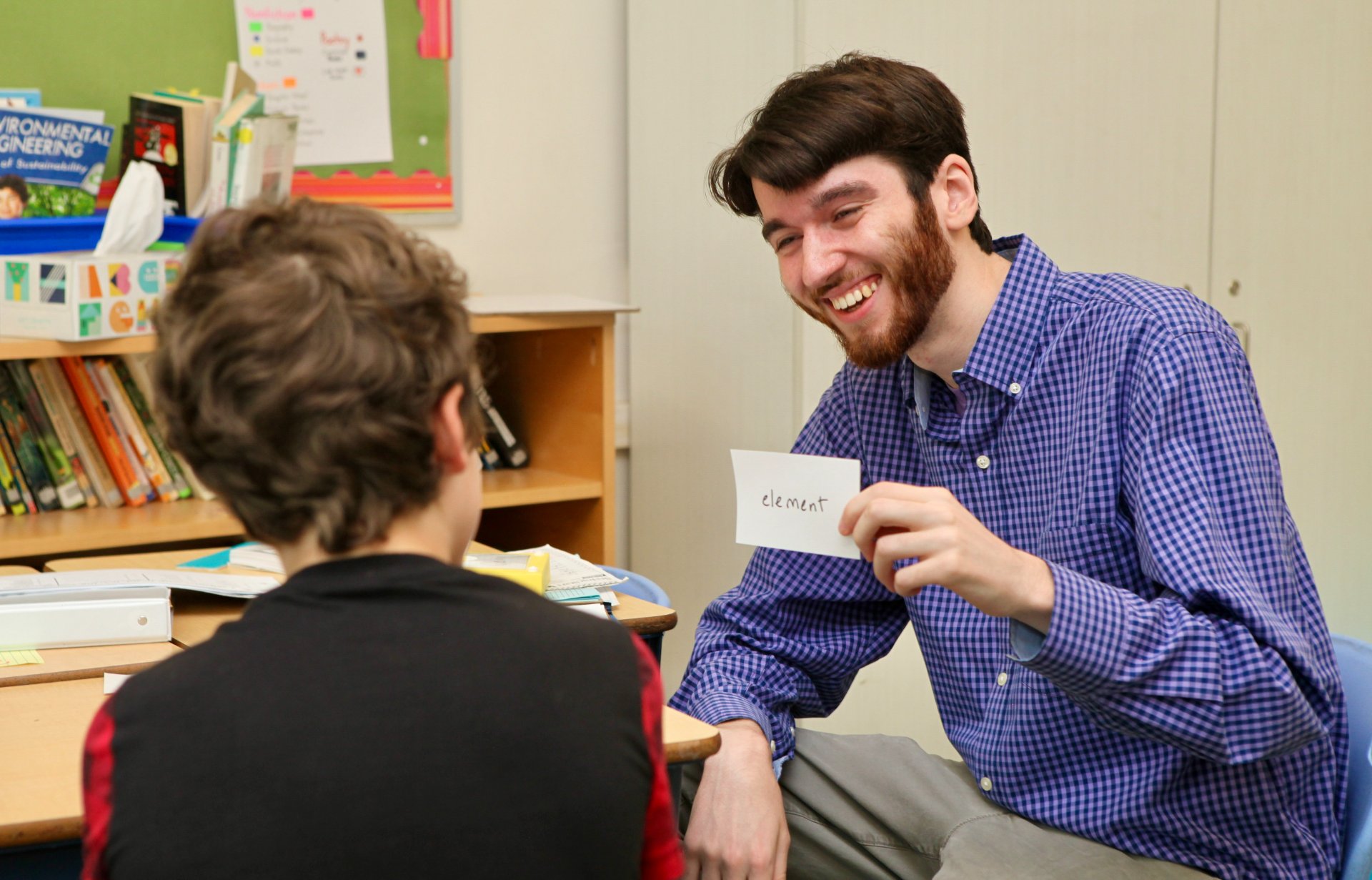
We know that this process makes getting started a little slower than typical tutoring, but the most important step is properly understanding each learner's cognitive and academic profile, and where their skills are when they start. This enables us to find the right curriculum fit, right schedule and frequency of intervention, and right tutor for our learners. We are trained in multiple, research verified methods, which allows us to match our learners with the curriculum they are most likely to have success with.
Assessment first
Every student at PSL begins with a comprehensive assessment. Pre-assessment allows us to create each student's learning map: identifying the specific processing and academic skill gaps underlying the difficulty.
For each area we teach, we look at current academic abilities in the context of the learner's sensory cognitive profile. Phonological awareness, orthographic processing, rapid naming, working memory, executive function, verbal and nonverbal abilities, and social-emotional state are all considered when choosing methodologies and mapping out a learner's plan.
The results of our pre-assessment and a comprehensive file review, along with a parent interview about response to previous intervention, determine which methodology we use to support each skill in a student's plan. These factors directly shape the individualized learning plan, where to begin in the curriculum, and what goals are appropriate for the instructional period.
Progress monitoring
Instruction is structured, cumulative, and monitored continuously to ensure measurable progress. Each lesson is tailored to the exact level and need of the student, using the structured, research-based program or combination of programs indicated by their unique profile.
We report progress every 20 hours of instruction or at the end of each trimester. Parent updates include detailed tracking of where the student is in the curriculum, what they have mastered, what they are currently working on, and what comes next.
Methodologies
We assess each student's cognitive and academic profile before instruction begins so we can select the right program(s) for how they learn. For some of our reading students that is Orton-Gillingham based instruction. For others, one of the following:
Reading skills hierarchy
When we are looking at a reader's skills, these are the areas we are thinking about. Where the learner falls in this hierarchy explains a lot about their current level, as well as the best path to help them catch up.
Together, these form the foundation all other reading skills are built on.
Our pretesting determines the areas of need and we teach them sequentially. See a sample skills assessment (redacted) →
What the research says
The evidence is consistent: more structured hours of the right kind of instruction leads to more growth.
Start with a free 15-minute consultation.
This quick conversation helps us hear your concerns and guide you to the next steps. We will get you set up to start tutoring, an independent academic evaluation, or a home learning kit, or send you to the professionals who can help if we cannot. If asynchronous works better for your schedule, please feel free to send an email with your initial questions.
We are committed to working against the way that racial and socioeconomic privilege manifests itself in the identification and remediation of learning disabilities.
We do what we can by offering need based scholarships, providing services in some of Maine's lowest resource schools, and working pro-bono with grant based educational advocates for Maine's most economically disadvantaged students with the toughest cases. This is how we do what we can to help ALL students get what they need.