LEARNING

Math Tutoring
One-on-one math intervention built on the foundations of teaching number sense and spatial reasoning, using concrete manipulatives and developing procedural fluency at every step along the way. We start with detailed assessments, then create learning plans that directly address gaps in number sense, procedural accuracy, and fluency, for students who have struggled to make progress in math.
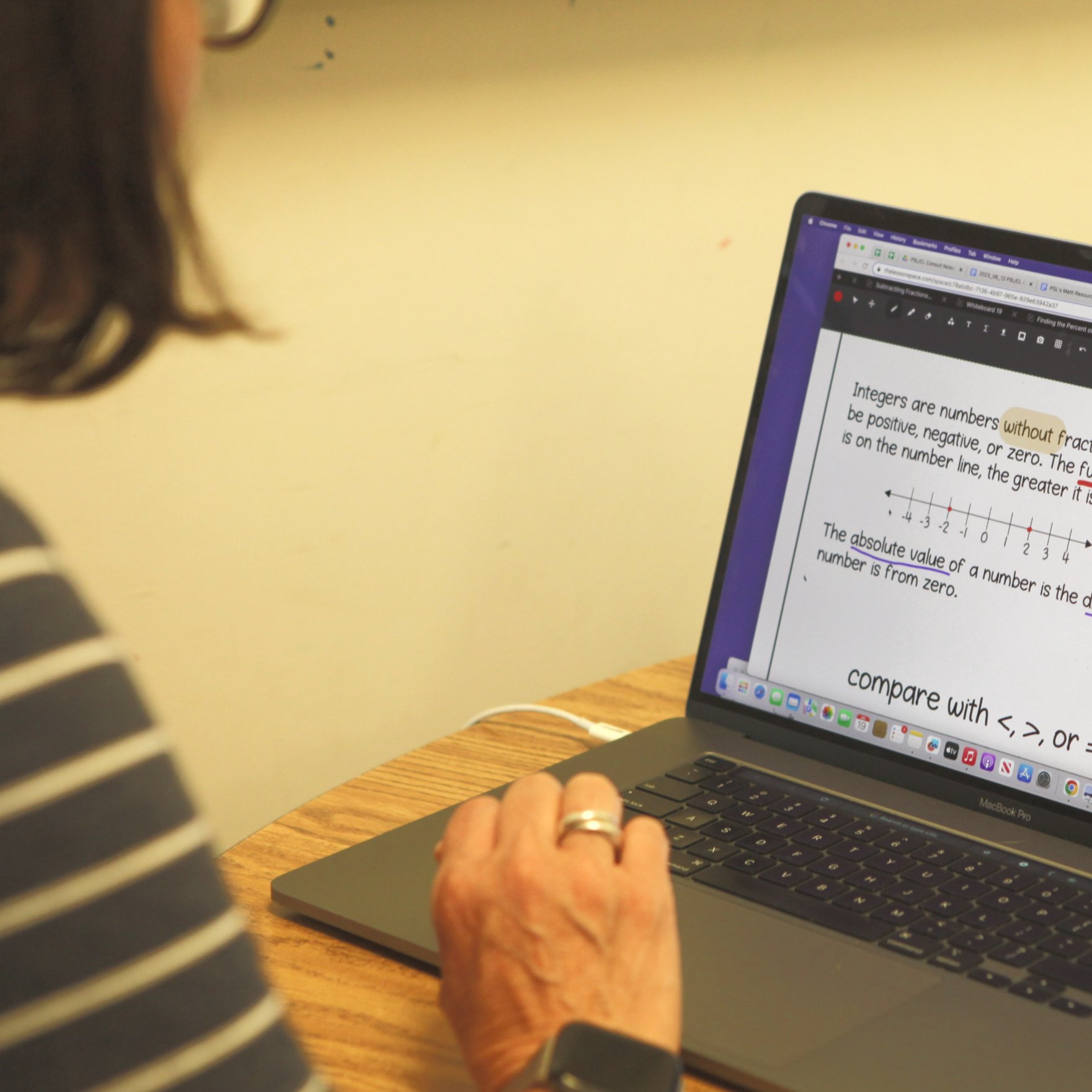
For years, parents have been told that some kids "just aren't good at math". For students who are struggling academically in math, there is often an underlying skill gap. A child who cannot subitize (recognize small quantities at a glance), who has poor number sense, or who does not understand the conceptual pegs of addition, subtraction, multiplication, division, or fractions cannot build fact accuracy or fluency. A learner who has memorized procedures without understanding place value will stall when the numbers get bigger. And a learner who computes accurately but fails word problems may have a language comprehension gap, not a math issue at all. Effective intervention begins by identifying which underlying math skills are missing and designing intervention that addresses those needs first.
Assessment first
Every math student begins with a skills assessment measuring number sense, subitizing, counting principles, place value understanding, math fact fluency, computational procedures, and word problem comprehension.
Dyscalculia (a specific learning disability in math) typically shows as weak number sense beneath the grade-level symptoms. The profile, not the student's grade level, determines the intervention.
Progress monitoring
Skills are measured before instruction begins, monitored in every session, and re-tested with the same instruments at the end of a round, so growth is documented rather than estimated.
Parent updates every 20 hours of instruction report where the student is in the curriculum, what they have mastered, and what comes next.
Methodologies
We prioritize number sense and understanding of algorithms over rote memorization, selecting the approach indicated by the assessment.
What a typical plan covers
Each student starts in their own spot depending on the pre-assessment and file review. For some learners, this is counting principles and numeracy; for others, multi-digit algorithms or prealgebraic concepts.
Start with a free 15-minute consultation.
This quick conversation helps us hear your concerns and guide you to the next steps. We will get you set up to start tutoring, an independent academic evaluation, or a home learning kit, or send you to the professionals who can help if we cannot. If asynchronous works better for your schedule, please feel free to send an email with your initial questions.
We are committed to working against the way that racial and socioeconomic privilege manifests itself in the identification and remediation of learning disabilities.
We do what we can by offering need based scholarships, providing services in some of Maine's lowest resource schools, and working pro-bono with grant based educational advocates for Maine's most economically disadvantaged students with the toughest cases. This is how we do what we can to help ALL students get what they need.