PINE STATE
LEARNING

When students are taught the way their brains learn, they thrive.

Diagnostic-driven reading, writing, and math intervention, online and in person, in Brunswick and Portland, Maine.

Book a free 15-minute consult For Learners For Families For Schools
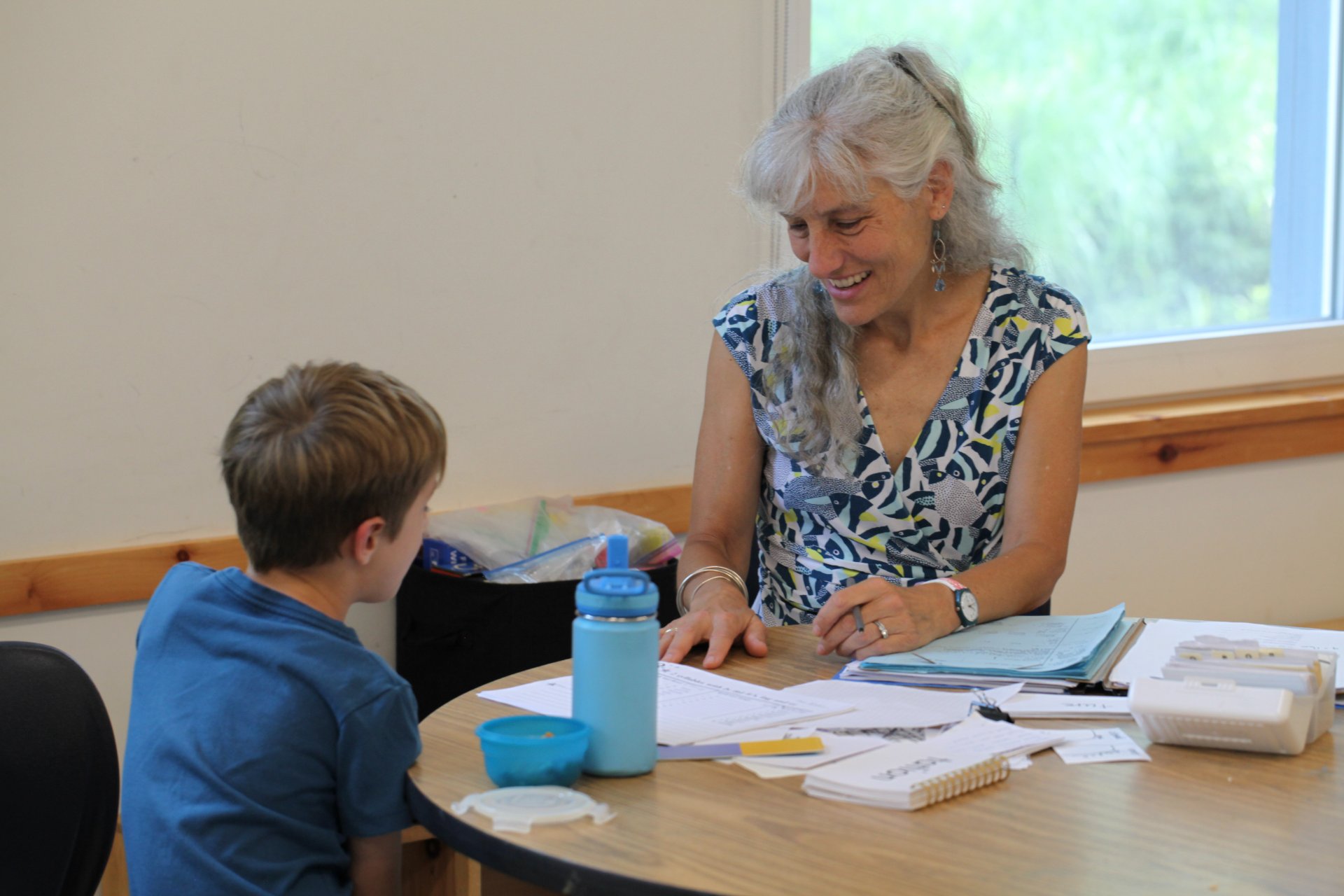
A tutor smiling with a student during a one-on-one lesson
+2.5
grade levels in decoding
+2
grade levels in word recognition
+1.9
grade levels in oral reading fluency
Across the 2025 LEAP summer cohort (22 learners), students gained a mean of 2.5 grade levels in decoding, 2.0 in word recognition, and 1.9 in oral reading fluency over 6 to 8 weeks of daily instruction, as measured by standardized pre- and post-assessment. Individual results vary. Read more about student results

If this sounds like your learner...

These are the patterns we specialize in identifying and addressing.

"Scary smart," but stuck
Bright in some areas but not making progress in reading, writing, or math.
Tutoring has not worked
Has had tutoring in the past, but no real progress.
Reading brings on meltdowns
Asking them to read results in headaches, belly aches, or meltdowns.
Behind despite an IEP
Meeting IEP goals but still very far behind peers.
A deeper difficulty than the label
Identified with ADHD or a specific learning disability, but you suspect dyslexia, dysgraphia, or dyscalculia.
School avoidance is growing
"Acting out," refusal, or damaged self esteem are becoming daily occurrences.
Things changed in 2nd or 3rd grade
Early school years went well, then acting out or falling behind started near the end of 2nd or 3rd grade.
Chapter books have not arrived
A 3rd to 5th grader who is not yet reading chapter books.
"Can't sit still," "will not try"
School reports focus on effort and behavior, but the work itself may be the barrier.
Not sure? Start with a free screener.
Three short, 15-question screeners help you see whether dyslexia, dysgraphia, or dyscalculia patterns fit what you are seeing at home.
Dyslexia screener Dysgraphia screener Dyscalculia screener

Prescriptive instruction

We assess each student's cognitive and academic profile before instruction begins so we can select the right program for how they learn. For some students that is Orton-Gillingham based instruction. For others it is Lindamood-Bell LiPS® or Seeing Stars®, On Cloud Nine® for numeracy, or Morningside for fluency; each is a research-validated program built for a specific skill gap. Knowing what to use, when, and why is what makes the difference.

Each lesson is tailored to the exact level and need of the student, selecting the structured, research-validated program, or combination of programs, indicated by the student's learning profile. This approach has been applied across hundreds of learners.

They don't need to try harder. They just need to be taught the way their brain learns.
Precise instruction
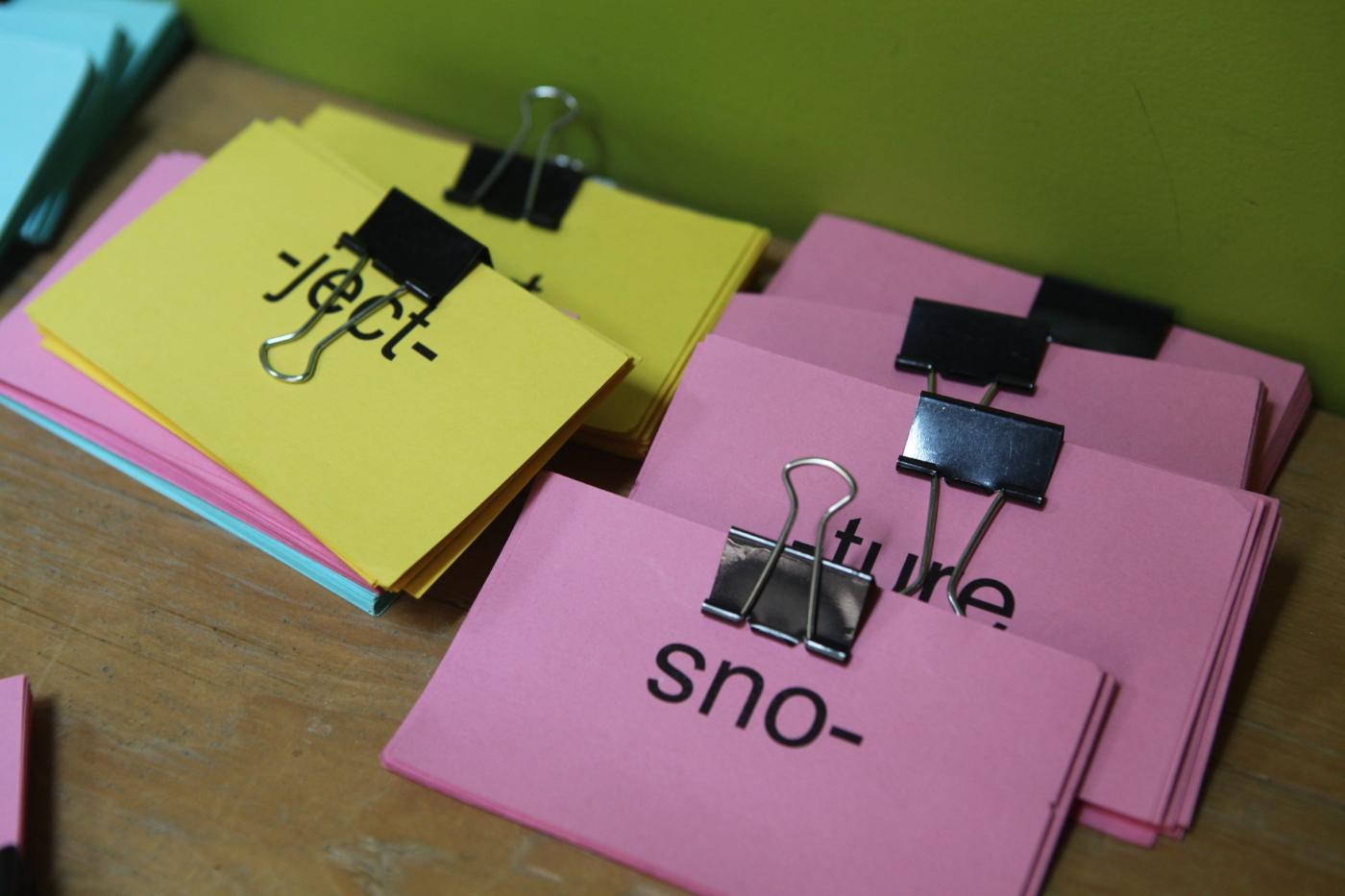
We teach in a systematic, direct, and explicit way. Students are not expected to know anything that has not been taught, and do not repeat skills once they have been mastered. Underlying skills, including phonological and phonemic awareness, orthographic ability, number sense, and executive function, are assessed and taught systematically.
Learner focused
Our instruction is multisensory, using auditory, visual, kinesthetic, and tactile techniques. In reading, orthographic and phonological skills are addressed simultaneously. In math, number sense, subitizing (recognizing small quantities at a glance), and deep understanding of algorithms are prioritized over rote memorization.

Services

Part Time Tutoring
Weekly one-on-one tutoring sessions built around each student's individualized learning plan. Instruction is structured, cumulative, and monitored continuously to ensure measurable progress.
About tutoring
Daily Intensive Instruction
Daily one-on-one structured intervention, as Summer LEAP or during the school year, designed to produce measurable progress within weeks. Each student receives an individualized learning plan targeting the specific skills their assessment data identifies as priorities.
Independent Academic Evaluation
A diagnostic academic evaluation provides a detailed, skills-level picture of how your child reads, spells, and processes language. PSL's evaluations identify the specific nature of a reading-based learning difference and guide the instructional approach, whether that instruction happens at PSL or elsewhere.
About evaluations

How to get started

A learning profile is a plain-language picture of which skills are solid and which are missing. No diagnosis is required to start.

1
Free consult
15 minutes, phone or online. We hear what has been happening with your learner and tell you honestly what we think the next step is.
2
Developing a learning plan
Every student completes a skills assessment alongside a review of prior evaluations. This allows us to look in depth at academic abilities as well as the cognitive skills that support those abilities. From there, we create a learning plan using research-validated, multisensory methods targeting the specific skills that will benefit your learner most. See what this looks like.
3
Tutoring
Whether you are working intensively (10 to 20 sessions per week), part time (2 to 5 times per week), or supporting your own learner at home, we implement the plan with fidelity, monitoring progress continually and adjusting as your learner advances.

Trusted by families, educators, and special education leaders

"Lisa is incredibly knowledgeable in designing reading interventions and instruction for students with learning disabilities. As a special education teacher, I refer to her for some of my most difficult cases."
Mrs. S, Special Educator
"When we started working with Lisa we were so thankful to finally find someone who understood our son's needs and how to address them! We saw significant improvement in his reading, and his confidence. We remain forever thankful for all she has done for our family!"
Sarah M., parent of a high schooler
"I have seen tremendous growth in students who have worked under Lisa Murphy's direction. Students have improved multiple grade levels and their confidence has skyrocketed."
Maine Special Education Director

Questions families ask first

What does Pine State Learning specialize in?
We specialize in supporting students with dyslexia, dysgraphia, and dyscalculia: kids who are smart and capable but whose brains process reading, writing, or math differently. We work with students from age 5 through adult, and our approach is built around figuring out exactly what's missing for each child before choosing how to address it.
Where are you located, and do you offer online sessions?
We're based in Brunswick, Maine with a second location in Portland. We also offer live, one-on-one online sessions for families anywhere in Maine and New England. Online sessions are equally effective for the work we do; the instruction doesn't change, and the tutor relationship is just as strong.
How is Pine State Learning different from other tutoring services?
Most tutoring services match your child to a program. We do the opposite: we first identify the specific missing skills, then select the approach that addresses them. Training across multiple research-validated methods allows selection based on the child's profile rather than the constraints of a single certification.
Does my child need a formal diagnosis before starting?
No. A lot of families come to us before they have a diagnosis, or after getting a school evaluation that didn't give them real answers. You don't need a piece of paper to get help. If your child is struggling with reading, writing, or math, that's enough reason to start a conversation. We can often help identify what's going on through our own process.
How do I get started?
Start with a free 15-minute consultation. We'll hear what's been happening with your child, tell you honestly what we think is going on, and point you toward the right next step, whether that's tutoring, an evaluation, a home learning kit, or something else entirely.
What ages and grade levels do you work with?
We work with students from age 5 through adult, in kindergarten through high school and beyond. That includes early readers who are just beginning to struggle, upper-elementary students who are not yet reading chapter books, middle and high schoolers who have fallen behind, and adults who want to build reading, writing, or math skills.
What methods and programs do you use?
We are trained in multiple research-validated approaches, including Orton-Gillingham based structured literacy, Lindamood-Bell LiPS® and Seeing Stars®, On Cloud Nine® for numeracy, and Morningside for fluency. Structured literacy means reading is taught in a systematic, explicit, cumulative sequence rather than by guessing from context. We select the program, or combination of programs, that fits each student's skill profile.
Do you offer help over the summer?
Yes. Our summer LEAP program provides daily, one-on-one intensive intervention designed to produce measurable progress in weeks. In 2025, LEAP summer students improved decoding by an average of 2.5 grade levels, word recognition by 2 grade levels, and oral reading fluency by 1.9 grade levels in 6 to 8 weeks. Individual results vary.

Start with a free 15-minute consultation.

A quick conversation helps us hear your concerns and guide you to the next steps. We will get you set up to start tutoring, an independent academic evaluation, or a home learning kit, or send you to the professionals who can help if we cannot.

Book a free 15-minute consult
207.426.4267 lisa.murphy@pinestatelearning.com
Our Commitment to Equity

We are committed to working against the way that racial and socioeconomic privilege manifests itself in the identification and remediation of learning disabilities.

We do what we can by offering need based scholarships, doing pro-bono consultation for families with economic needs, providing services in some of Maine's lowest resource schools, and working with educational advocates on the toughest cases to help ALL students get what they need.